
The Ultimate Guide to B2B E-commerce
Tuesday, April 09, 2024
The digital landscapes of commerce are continually evolving
The thick of this transformation is the burgeoning sector of B2B e-commerce. With distinct parameters that set it apart from its B2C counterpart, B2B e-commerce has transformed the way businesses engage and conduct transactions. This guide serves to unwrap the layers of B2B e-commerce, shedding light on best practices and peering into the digital horizon for what's next.
Introduction to B2B E-commerce
Business-to-business (B2B) e-commerce represents the online sales and transactions between two businesses. Unlike the consumer-focused B2C model, B2B e-commerce includes sales tactics, online visibility, and logistical frameworks tailored to meet the complex needs, bulk orders, and wholesale transactions commonly seen among corporate clients.
One of the most significant divergences between B2B and B2C e-commerce lies in the realm of payment processes. In the dynamic landscape of B2B transactions, the traditional immediate payment model often gives way to more intricate financial arrangements. A standout characteristic of B2B e-commerce is the prevalent use of invoicing systems, where goods or services can be delivered prior to payment. This deferred payment structure is not just a matter of convenience; it is a strategic element that accommodates the complex cash-flow and budgetary planning of businesses.
Through generating invoices that allow for payment at a later date, B2B e-commerce platforms cater to the nuanced financial operations of companies, emphasizing trust and long-term relationships over instantaneous transactions. This flexibility is a testament to the bespoke nature of B2B dealings, underscoring the depth of understanding and accommodation for business needs that B2B e-commerce embodies..
Understanding the B2B E-commerce Market
Navigating the B2B e-commerce market demands understanding vast and varied industries, each with unique digital needs. This sector is characterized by longer sales cycles, complex pricing models, and the necessity for robust customer relationship management systems. Insights gleaned from in-depth market analysis inform targeted approaches that cater to specialized and discerning business clientele.
The trajectory of B2B e-commerce is marked by promising growth, underscored by recent data that reveals the combined value of e-shipments from manufacturers and wholesale trade soared to an astonishing 4.23 trillion U.S. dollars in 2021. This upward trend isn't expected to plateau; even conservative forecasts suggest a continued expansion of B2B e-commerce sales into 2027. A notable shift has been observed within the wholesale and distribution sectors, where online channels are progressively outpacing traditional offline avenues.
This pivot towards digital commerce is further evidenced by the 2022 figure that places U.S. e-commerce wholesale trade sales at 3.8 trillion U.S. dollars, constituting roughly one-third of the total wholesale trade. This data not only showcases the monumental scale at which B2B e-commerce operates but also highlights the digital domain's burgeoning dominance, pointing to an unstoppable trend towards online transactions.
Key Differences between B2B and B2C E-commerce
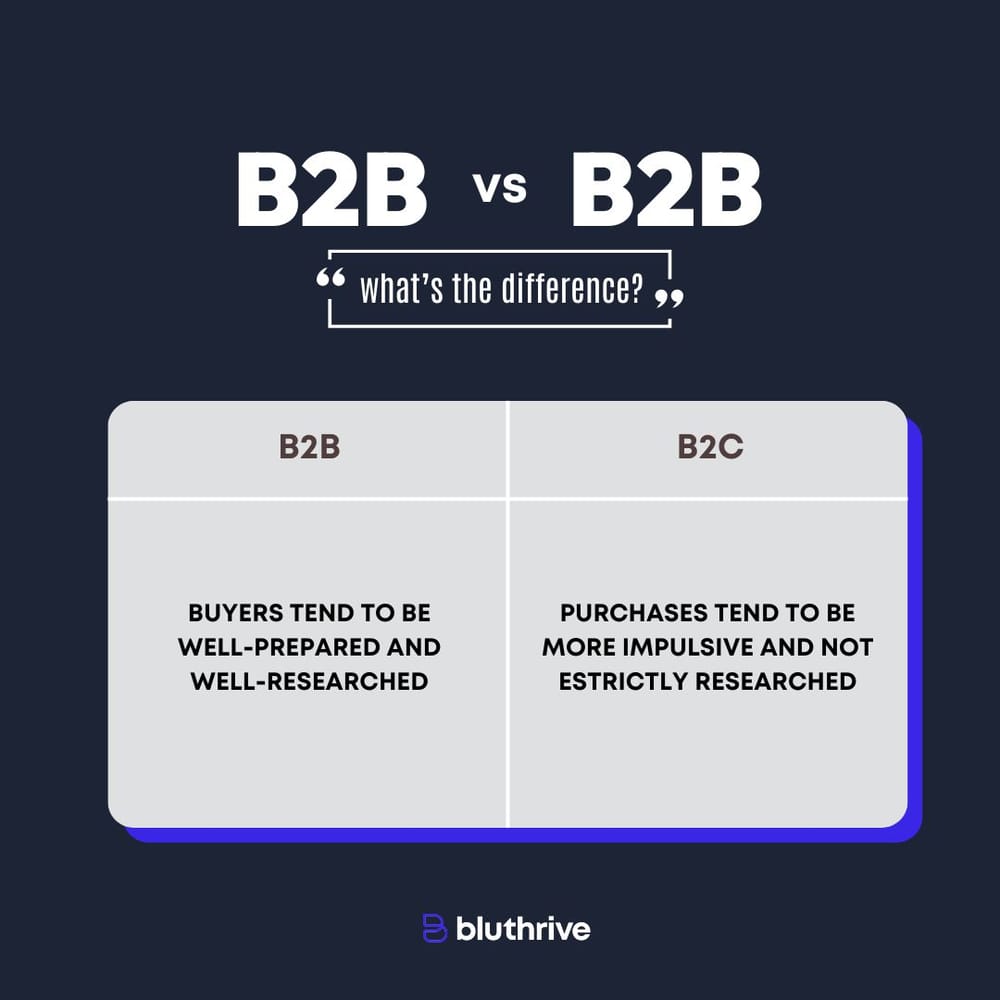
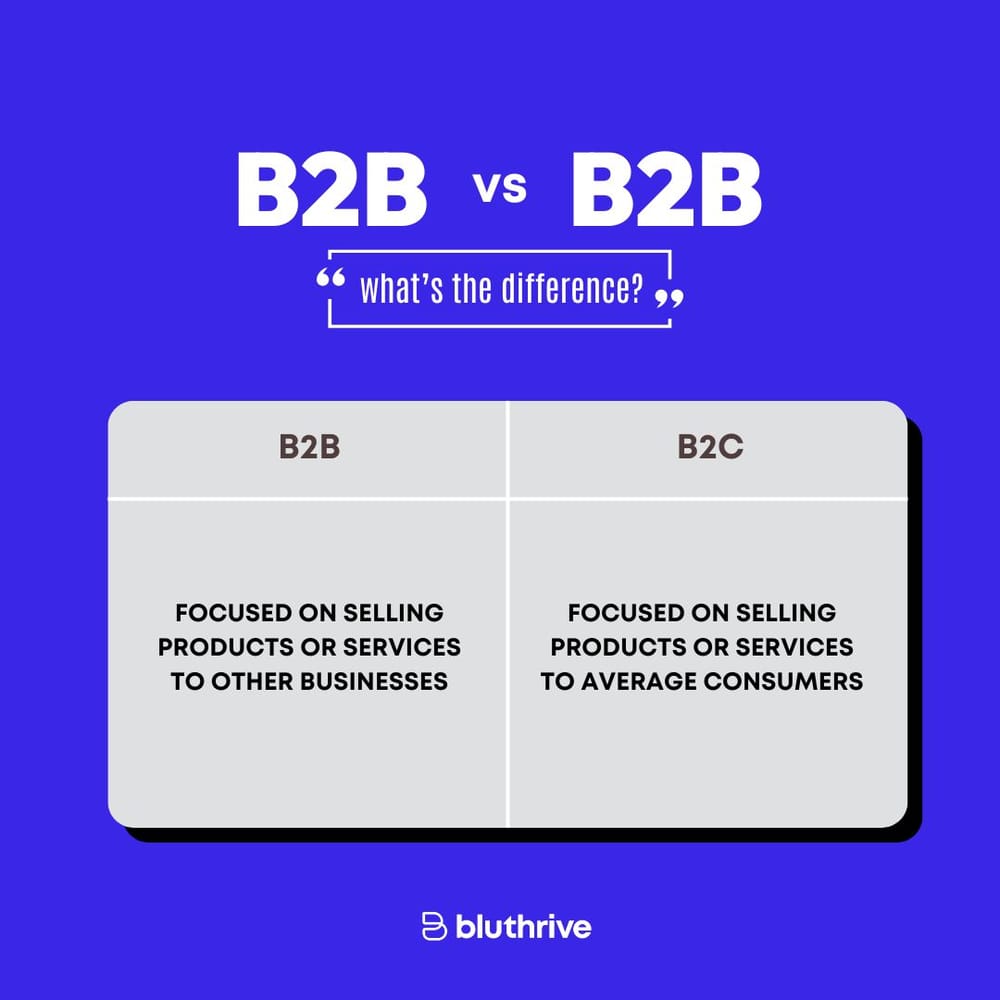
B2B and B2C e-commerce differ fundamentally in their audiences, sale structures, purchase motivations, and fulfillment processes. While B2C focuses on individual consumers and impulsive purchase triggers, The B2B sector relies on rational decision-making, bulk orders, and customized payment and shipping solutions. Prospective B2B platforms must accommodate these differences to harness the full potential of their e-commerce strategies.
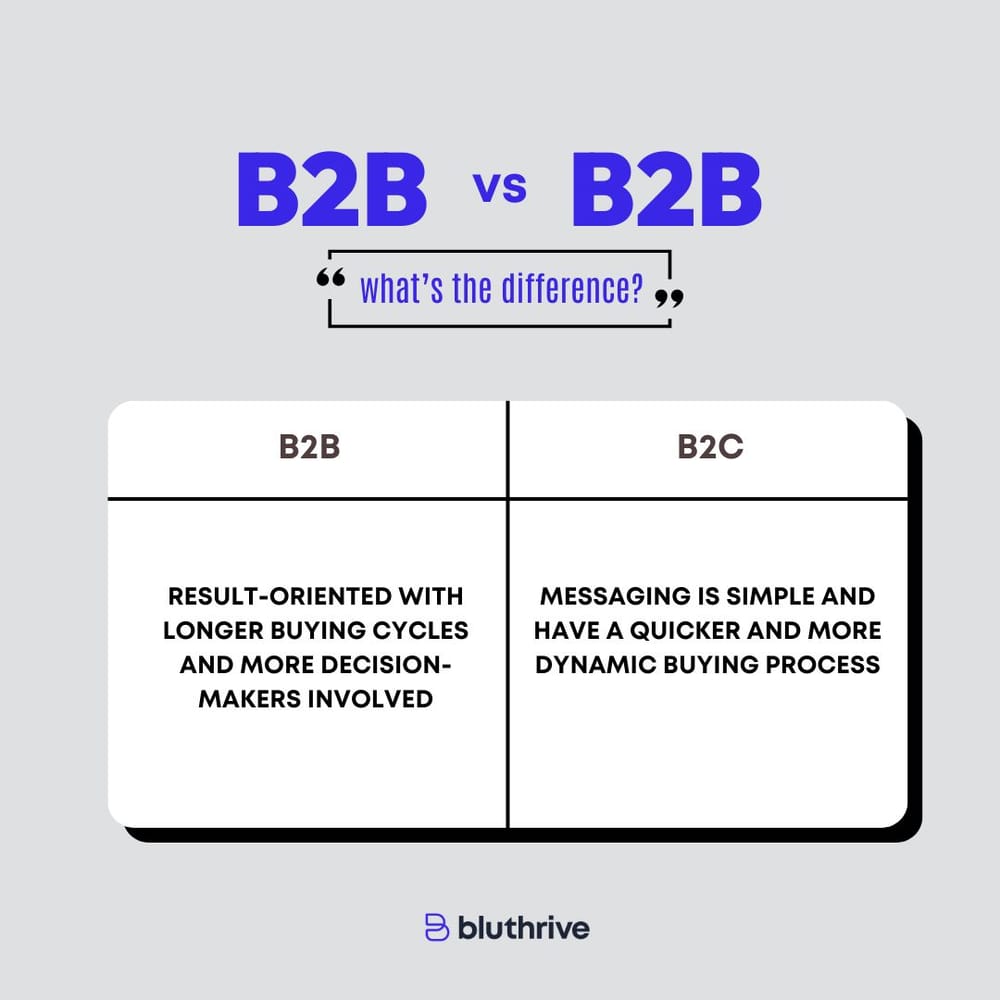
Purchase Decision Process and Cycle Length: One of the most pronounced differences lies in the decision-making process and the length of the purchase cycle. B2B transactions are characterized by a rational decision-making process that involves multiple stakeholders.
The decision to purchase is typically based on the value and ROI the product or service will bring to the business. This process is usually lengthy, extending over several weeks to months, and involves considerable research, comparison, and negotiation. On the other hand, B2C transactions are often driven by emotional triggers, and immediate needs, resulting in a much shorter buying cycle.
Pricing and Payment Methods: In B2B e-commerce, pricing structures are complex and often negotiable, reflecting the customized nature of bulk orders, long-term contracts, and the specific needs of each business. Prices may vary significantly based on the size of the order, the customer's bargaining power, and pre-agreed contractual terms.
Additionally, the payment process in B2B is more flexible, with options for credit terms, invoicing, and delayed payment setups to accommodate business clients' cash flow management. Conversely, B2C pricing tends to be fixed and transparent, with immediate payment expected at the point of sale via credit cards or digital wallets.
B2B e-commerce vastly prioritizes establishing and maintaining long-term customer relationships. This focus stems from the high value of individual transactions and the potential for recurring business.
Therefore, B2B vendors invest significantly in customer service, offering personalized support, dedicated account managers, and tailored solutions. This approach contrasts with B2C e-commerce, where the emphasis is on volume and efficiency. While customer service remains important in B2C, the interaction is usually more transactional, with less emphasis on personalized attention and more on ensuring a smooth, fast, and efficient purchase process.
Understanding these key differences enables businesses to tailor their approach in the evolving e-commerce landscape better, ensuring that they meet their customers' unique needs and expectations efficiently and effectively.
Best Practices
Customer-Centric Website Design - First impressions are crucial. A B2B e-commerce website must be intuitive, with easy navigation and detailed product information that empowers businesses to make informed decisions. Implementing a responsive design ensures access across various devices, a must in the increasingly mobile world of business.
Personalization - Personalization can revolutionize the B2B experience, offering tailored product selections, personalized pricing, and individually-adapted browsing experiences. Leveraging customer data to cater the e-commerce interface to individual business customers elevates user experience and customer satisfaction.
Multi-Channel Sales - Business buyers scour multiple channels, from online marketplaces to social media, in search of product solutions. B2B companies must extend their digital presence across these channels, providing a seamless omnichannel shopping experience that meets business buyers where they are.
Content Marketing - Content is king in the quest for engagement and value delivery. Through insightful blog posts, detailed product videos, and informative webinars, B2B e-commerce can foster trust and educate potential clients, nudging them down the sales funnel.
SEO Optimization - Visibility on search engines can make or break an e-commerce business. SEO optimization is essential for driving organic traffic to B2B websites. Investing in keyword research and content optimization ensures that business buyers find your e-commerce platform at the moment of intent.
Use of Analytics - Harnessing data analytics allows B2B e-commerce entities to derive actionable insights into customer behavior, preferences, and pain points. This intelligence informs strategies, from inventory management to dynamic pricing and personalized marketing campaigns.
Case Study - A Closer Look To The Amazon Business Story
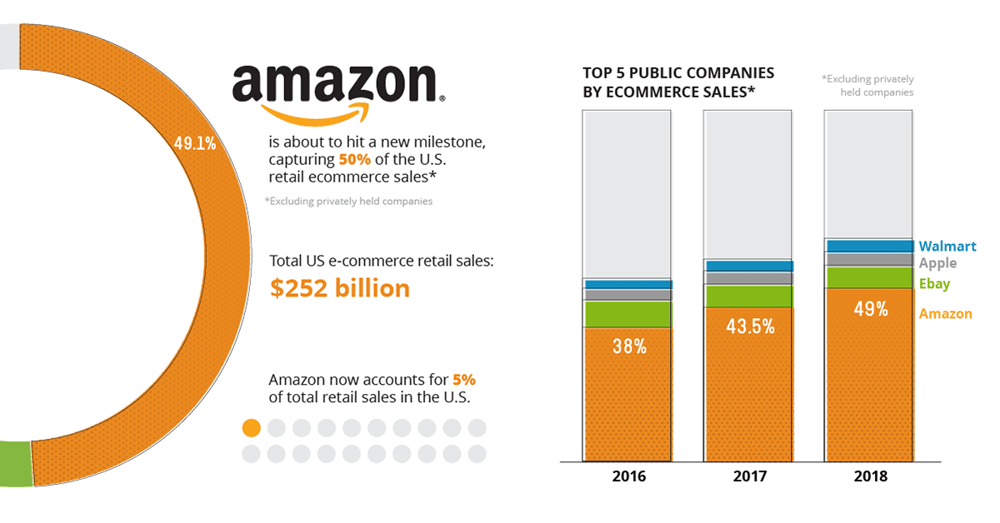
Alright, now for the cool part. Amazon Business is like the Michael Jordan of B2B e-commerce. They changed the game with their approach, focusing hard on what makes a shopping experience great for businesses.
They've got this killer combo of an easy-to-navigate site, personalization that makes each business feel special, and an analytics game that's on point.
This isn't just throwing products on a webpage; it's about making the entire purchasing process smooth, intuitive, and kinda fun. Amazon Business nailed the customer-centric design, serving up a buffet of options that are easy to scroll through, compare, and purchase. Their secret weapon? Really understanding their customer base and delivering exactly what they need, when they need it. It’s no wonder they’ve become the go-to for businesses looking to stock up.
Future Trends in B2B E-commerce
Advancements in AI, machine learning, and IoT devices herald a future where hyper-personalization and predictive analytics further refine the B2B e-commerce experience. Expect to see an upsurge in virtual and augmented reality applications for product demonstrations, as well as blockchain technology for enhanced transaction security and supply chain transparency.
The trajectory of B2B e-commerce is upward and outward, propelled by technological innovation and the demand for smarter, faster, and more personalized business solutions. By adhering to best practices and pivoting with future trends, B2B e-commerce companies can anticipate growth and steer their digital vessels toward sustained success in the sea of online commerce.
Here's the breakdown of B2B e-commerce, simplified. We've explored B2B transactions and highlighted how giants like Amazon Business are advancing. The B2B e-commerce scene is always changing. Keeping up and being flexible are crucial for success. Let's use these insights and trends to drive growth and innovation in your B2B e-commerce efforts.
Join the Bluthrive community of driven entrepreneurs achieving more freedom through smart automation.
READY TO CUT COSTS, SAVE TIME, AND FOCUS ON GROWTH? LET’S MAKE IT HAPPEN!


Bluthrive: where automation meets freedom.
Copyright 2026 — All Rights Reserved