
Will Contracts Really Manage Themselves? How Automation Is Reshaping Construction Contracting
Monday, December 01, 2025
The New Frontier: What If Your Contracts Ran Themselves?
Picture this: it’s 6:15 p.m., and a construction owner is finally heading home after another whirlwind day on site. The phone buzzes—again. Another contract issue threatens to delay the project. If only there were a way to take the hassle out of tracking deadlines, approvals, and compliance—could contracts actually manage themselves?
Automated contracts may sound like Silicon Valley hype, but for construction business owners juggling razor-thin margins, endless paperwork, and crews counting on them, these aren’t just buzzwords—they’re a potential ticket to sanity. What’s happening behind the scenes in contract technology could put hours (and cash) back into their week and maybe—just maybe—let them focus on what they love: building.
When Paperwork Became the Project
A small, family-run construction firm in Texas—handed down from father to son and now on its third generation—recently shared a familiar struggle. The new owner, Mark, a master builder by trade, often felt overwhelmed by documentation. He confessed that he entered construction to build structures, not babysit paperwork. His eyes told the story of yet another weekend spent behind a desk.
Mark’s situation echoed a common industry frustration: projects stalling because a contract addendum gets buried in someone’s inbox, or payments delayed because compliance wasn’t flagged in time. As he put it, “It’s death by a thousand cuts—except instead of steel, it’s paperwork.”
Out of frustration, Mark turned to contract automation. The transformation was rapid:
- Automated systems flagged expiring insurance certificates before they became a problem.
- Project approvals moved quickly through digital workflows instead of sitting in someone’s to-do pile.
- Payments and change orders triggered reminders and escalations automatically, keeping clients and subcontractors accountable.
Mark regained control. Project delays dropped, his team spent far less time chasing signatures, and—most importantly—he spent evenings watching his kid’s baseball games instead of scanning contracts.
This isn’t science fiction. Automated contract management is fast becoming standard practice for resource-tight construction companies. And here’s why it matters.
What Is an Automated Contract, Anyway?
An automated contract uses technology—often specialized software and sometimes blockchain-like smart contracts—to streamline, track, and even execute contract terms without constant manual oversight. Think of it as a digital brain: it tracks milestones, sends reminders, routes documents for signatures, and can automatically trigger actions (such as sending a payment or issuing an order) when certain conditions are met.
The Four Types of Contracts in Construction
Construction contracts typically fall into four categories:
- Fixed-Price (Lump Sum): The entire project is priced upfront—no surprises (unless someone missed a crucial detail).
- Time and Materials (T&M): Billing is based on hours and materials—ideal for unpredictable projects.
- Cost-Plus: The client covers costs plus an agreed profit; transparency is essential.
- Unit Price: Payment is based on measurable quantities (for example, per square foot of concrete poured).
Each type carries unique risks and administrative headaches—precisely where automation shines.
Examples of Automated Systems in Construction
- Contract Management Software (e.g., Procore, DocuSign CLM): Centralizes documents, handles version control, and streamlines e-signature workflows.
- Automated Compliance Tracking: Alerts teams when licenses, insurance certificates, or permits are nearing expiration.
- Project Management Platforms: Trigger automated notifications for scheduling, safety checks, and submittals.
- Smart Contracts (Blockchain): Still emerging, but already automating payments and compliance in select pilot projects.
The Three Types of E-Contracts
Digital contracts generally fall into three types:
- Clickwrap: The classic “I Agree” checkbox—ideal for software or subscription-based tools.
- Shrinkwrap: Terms accepted by opening or using a product (less applicable in construction).
- Browsewrap: Passive agreements where usage implies consent (legally weaker for high-value work).
For construction, clickwrap and custom e-signature contracts are becoming the norm.
Which Contracts Run Automatically?
- Smart Contracts (Blockchain-Based):
These run if-then automations: if a task is completed, payment is released—no human intervention required. - Digital Approval Workflows:
Within standard contract management systems, document routing, approvals, and notifications can all happen automatically.
Automated Process Example
Imagine a company’s insurance certificate is about to expire, and the contract requires continuous compliance. The system detects the expiration date, sends reminders to both the contractor and the insurer, uploads the updated certificate for approval, and alerts the project manager—all without anyone manually initiating the process.
Best Software for Contract Management
These platforms are leading the way in construction:
- Procore: The industry’s most widely adopted integrated contract and project management system.
- Autodesk Construction Cloud: Excellent for document and contract control across complex builds.
- DocuSign CLM: A powerhouse for e-signatures and automated contract workflows.
- Gordian & Buildertrend: Flexible options for growing businesses.
- Aconex: Used by larger firms requiring tight multi-stakeholder controls.
Will Contract Managers Be Replaced by AI?
Not anytime soon. While automation excels at repetitive, rule-based tasks—notifications, compliance monitoring, document routing—the construction industry still relies heavily on seasoned judgment. Contract managers are evolving into higher-value advisors, focusing on risk, negotiation, and relationships. AI is a tool, not a replacement for experience or trust.
What Did We Learn?
- Automated contracts free businesses from paperwork overwhelm—and give owners their evenings back.
- Construction contracts come in four main types, and automation enhances each one.
- Automation handles logistics brilliantly: compliance, reminders, e-signatures, routing, and more.
- Digital contracts reduce errors, save time, and improve profitability.
- Leading software tools are built to be practical and field-ready—not just for tech giants.
- AI isn’t replacing contract managers; it’s helping them sharpen their edge and enjoy the business again.
Join the Bluthrive community of driven entrepreneurs achieving more freedom through smart automation.
READY TO CUT COSTS, SAVE TIME, AND FOCUS ON GROWTH? LET’S MAKE IT HAPPEN!
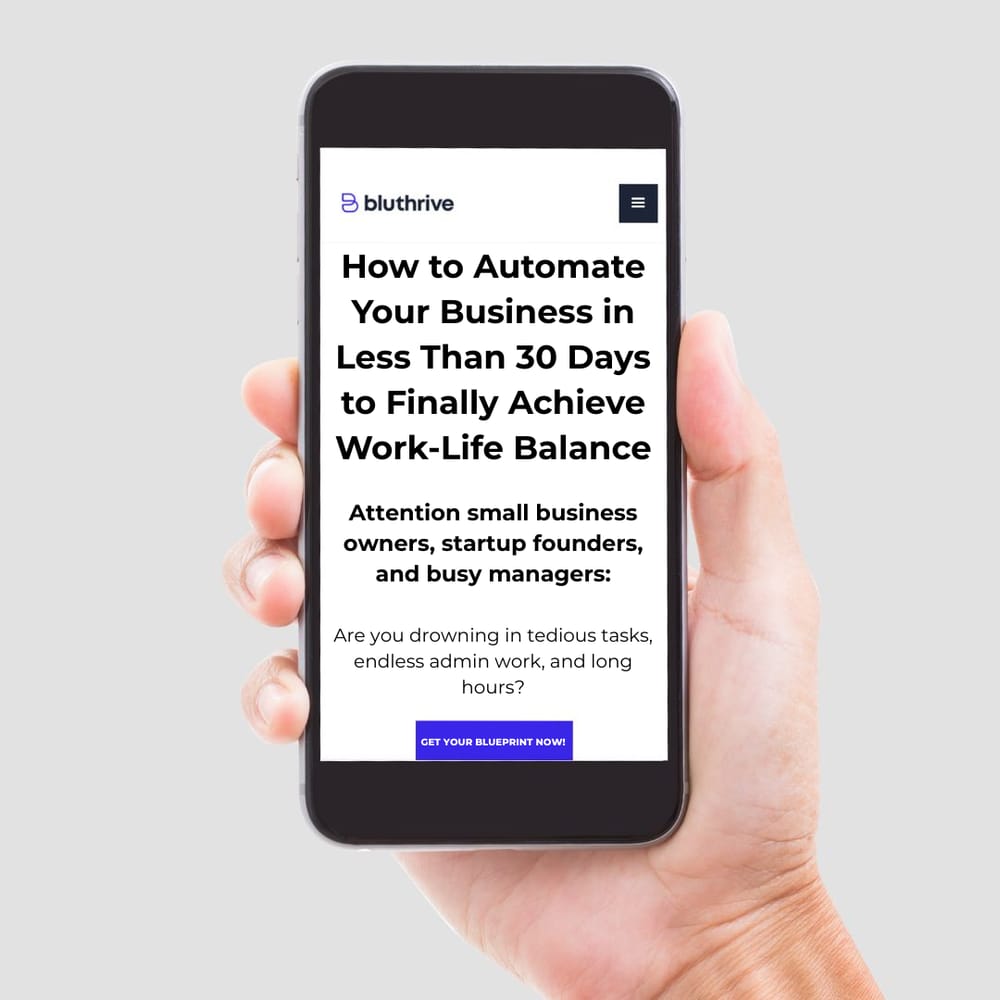

Bluthrive: where automation meets freedom.
Copyright 2026 — All Rights Reserved